RWAs
Tokenizing & Transacting With Real World Assets on TRON
What are RWAs?
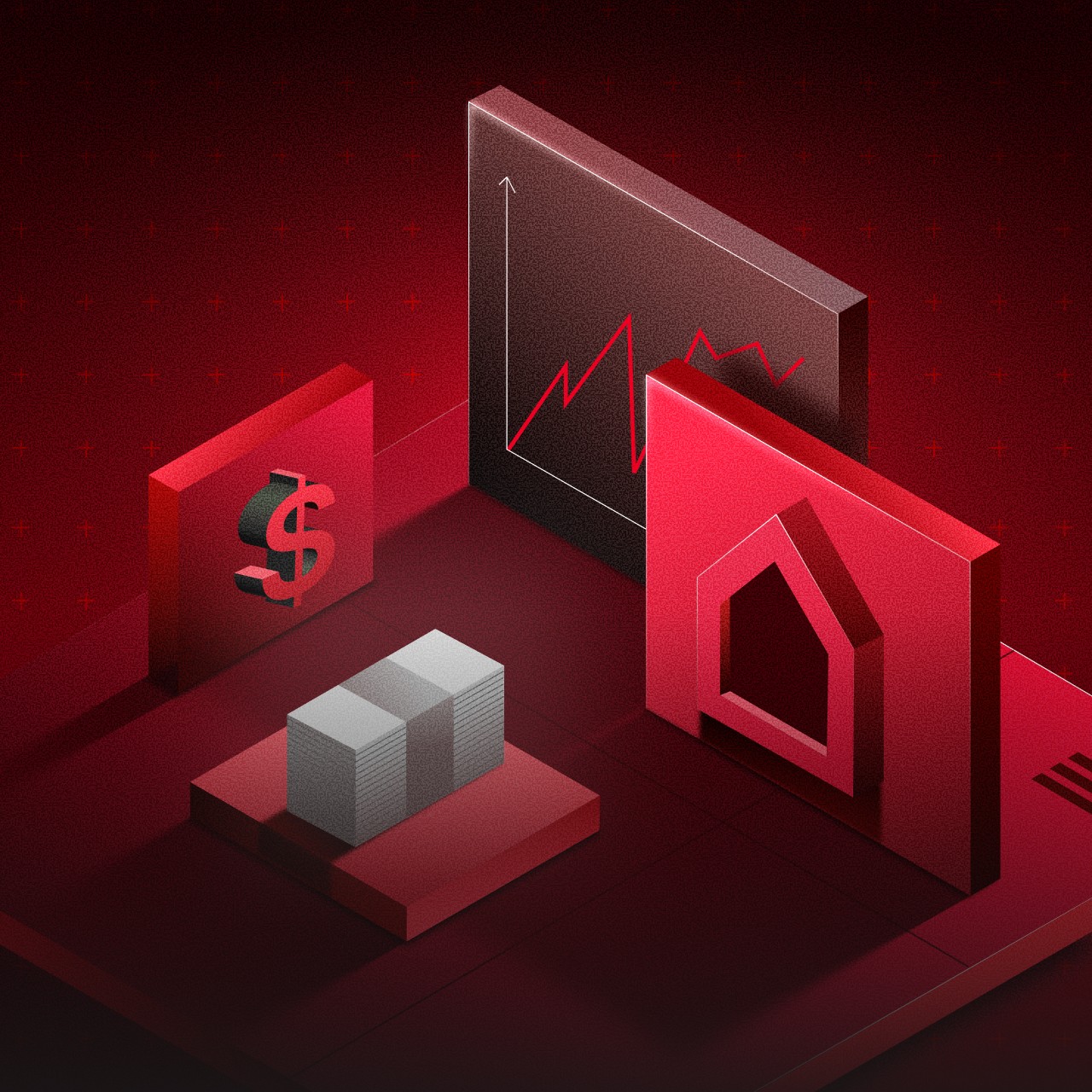
Tokenizing the Physical World
Real-World Assets (RWAs) refer to physical or traditional financial assets—such as government bonds, real estate, commodities, or bank deposits—that are represented on a blockchain in tokenized form.
Tokenizing the Physical World
Real-World Assets (RWAs) refer to physical or traditional financial assets — such as government bonds, real estate, commodities, or bank deposits — that are represented on a blockchain in tokenized form.
RWAs on TRON
On the TRON blockchain, RWAs bridge traditional finance (TradFi) with decentralized finance (DeFi), enabling on-chain access to off-chain value while benefiting from TRON’s high throughput, low transaction fees, and stablecoin-focused ecosystem.
RWAs on TRON
On the TRON blockchain, RWAs bridge traditional finance (TradFi) with decentralized finance (DeFi), enabling on-chain access to off-chain value while benefiting from TRON’s high throughput, low transaction fees, and stablecoin-focused ecosystem.
How do RWAs improve traditional systems?
How do RWAs improve traditional systems?
Real-World Assets (RWAs) improve traditional financial systems by bringing several key benefits through tokenization
Real-World Assets (RWAs) improve traditional financial systems by bringing several key benefits through tokenization
Increased Liquidity
Tokenizing illiquid assets like real estate or private equity makes them easily tradable, increasing market efficiency.
Increased Liquidity
Tokenizing illiquid assets like real estate or private equity makes them easily tradable, increasing market efficiency.
Greater Transparency and Security
Leveraging blockchain technology provides an immutable and transparent record of ownership and transactions, reducing fraud and counterparty risk.
Greater Transparency and Security
Leveraging blockchain technology provides an immutable and transparent record of ownership and transactions, reducing fraud and counterparty risk.
Fractional Ownership
RWAs can be divided into smaller, more affordable tokens, democratizing investment and allowing retail investors to access previously exclusive high-value assets.
Fractional Ownership
RWAs can be divided into smaller, more affordable tokens, democratizing investment and allowing retail investors to access previously exclusive high-value assets.
Lower Costs and Faster Settlement
Smart contracts and decentralized processes reduce the need for intermediaries, lowering transaction fees and significantly speeding up the settlement process compared to traditional, often manual systems.
Lower Costs and Faster Settlement
Smart contracts and decentralized processes reduce the need for intermediaries, lowering transaction fees and significantly speeding up the settlement process compared to traditional, often manual systems.
Global Accessibility
Tokenized assets can be transferred across borders 24/7, enabling seamless global participation and removing geographical barriers for both investors and asset owners.
Global Accessibility
Tokenized assets can be transferred across borders 24/7, enabling seamless global participation and removing geographical barriers for both investors and asset owners.
Programmable and Automation Opportunities
Smart contracts can automatically enforce rules, such as distribution of dividends, voting rights, transfer restrictions, or compliance with regulatory requirements.
Programmable and Automation Opportunities
Smart contracts can automatically enforce rules, such as distribution of dividends, voting rights, transfer restrictions, or compliance with regulatory requirements.
PRIVACY
" height="354.8315539739028px" id="Svi2alYpR" width="1202.1832633338345px"/></svg>)

PRIVACY
PRIVACY